We are rethinking how we manage land that delivers for people and the environment

Our Approach

The Lapwing Estate has developed a new model for “Rethinking peatlands”, which both sequesters and abates significant quantities of carbon, and also produces food with measurable positive environmental and social impact

Reverse Coal is a radical and transformative whole systems approach that restores degraded lowland peat shifting towards climate resilient, controlled environment agriculture (CEA) with a broad array of interlinked societal, environmental and economic benefits

Carbon Capture & Abatement

The premise of Reverse Coal is to utilise photosynthesis to remove CO2 from the atmosphere via production of short rotation coppice willow (SRCW) on rewetted peatland.

This simultaneously clean the water of chemicals and abate landscape soil emissions from agriculturally drained lowland peat – which accounts for 3% of total UK GHG emission, and sequesters carbon from the atmosphere through the SRCW

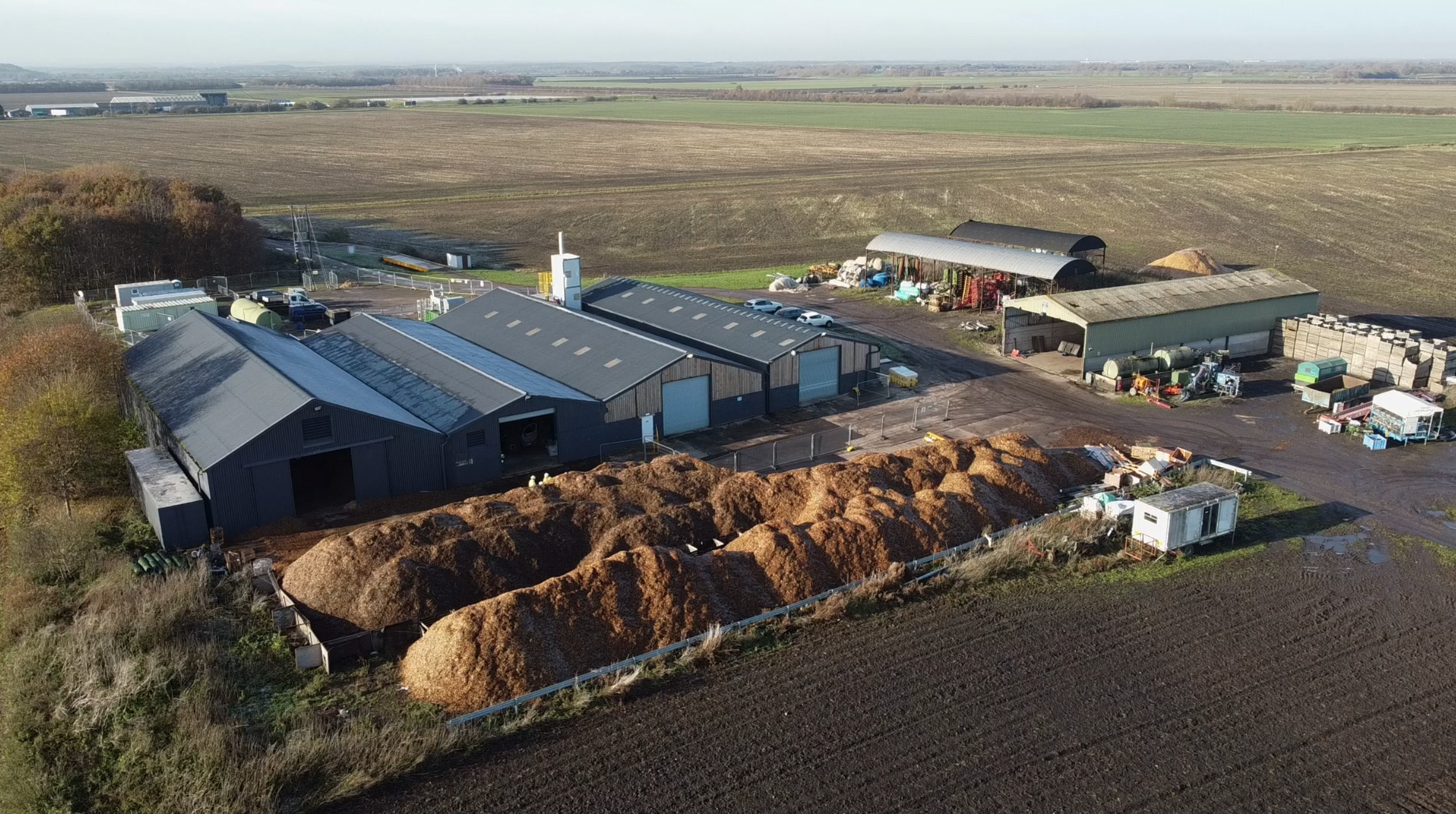
Biomass is harvested and chipped directly from the field. The wood chip is then actively dried to achieve a low moisture content.
willow

Carbon Processing

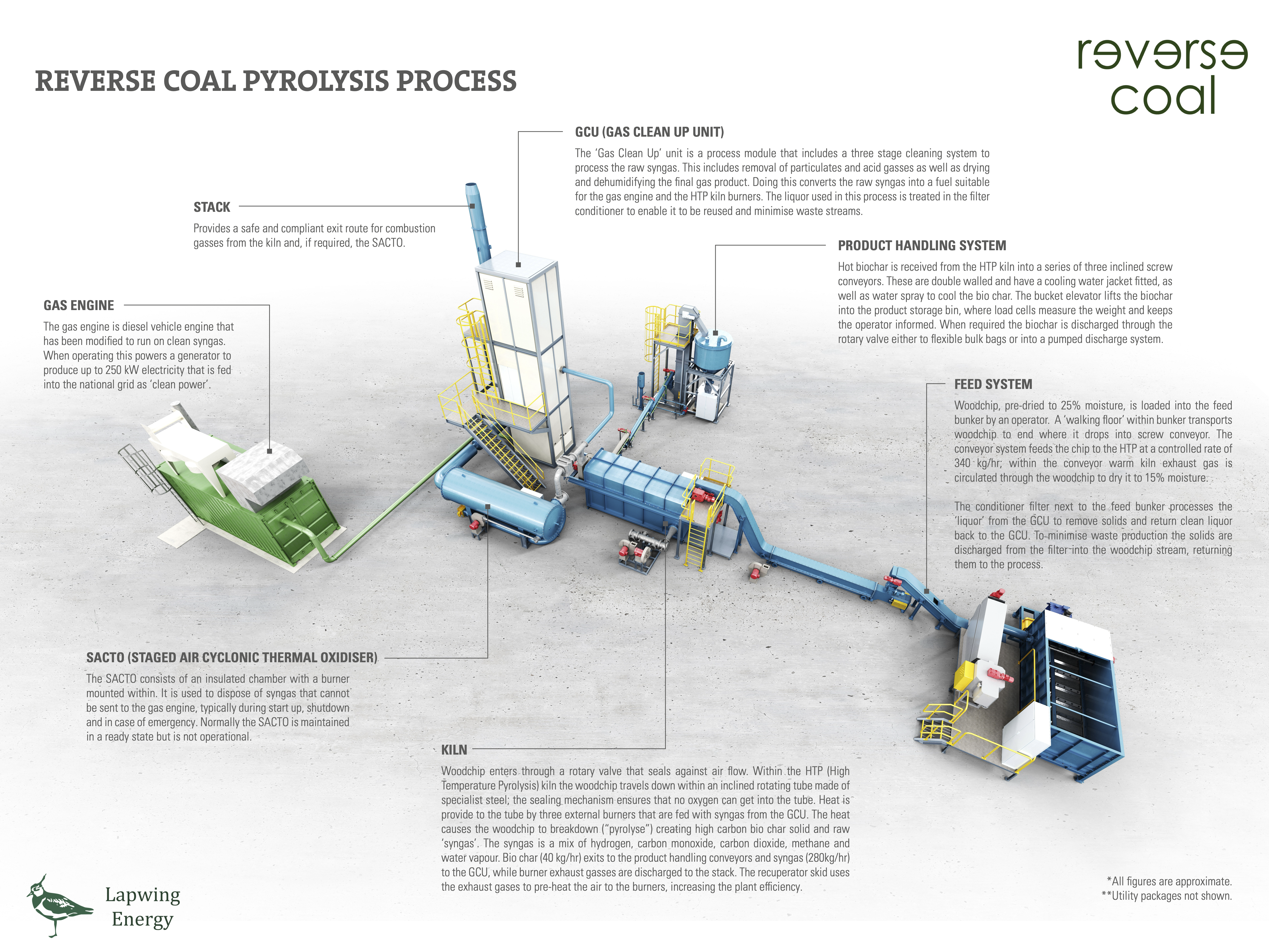
The woodchip is then fed into a high temperature pyrolysis plant which breaks down the biomass through thermal decomposition (Pyrolysis is the heating of material without oxygen)

Higher Temperature allows a more thorough chemical breakdown of the feed reducing tars and improving yield and emissions.

The three products generated are:

Biochar + Electricity + Heat

Controlled Environment Agriculture

The high grade heat and power from the pyrolysis plant will be used to power controlled environment agriculture for more sustainable food production. This tackles the common criticism from most biomass projects which is the displacement of food production for bioenergy.

By continuing to produce food, this land use change does not result in offshoring food production and increasing GHG emissions. Instead we can improve food security and substitute commodity grain and arable crops that would have been grown on the land lost to biomass crops, for high health fruit and vegetables.

In addition, the power system used to produce CEA food’s will be close to net zero and substituting for foods typically imported from global sources and grown under glass using fossil fuel heating systems.